How to Protect Your Roof From Florida's Weather
Living in Northern Florida means dealing with intense sun, heavy rain, and the occasional storm. Your roof takes the brunt of it all. Over time, exposure to UV rays and moisture can cause shingles to crack, tiles to loosen, and metal panels to corrode. One way to extend the life of your roof is to apply a protective layer that seals and shields the surface. This layer, often called a roof coating, can help prevent leaks, reduce heat absorption, and keep your home more comfortable year-round.
Why a Protective Layer Matters
Roofs in this region face a unique set of challenges. The summer sun beats down for months, heating asphalt shingles and metal surfaces to temperatures that accelerate aging. Then come the storms, with wind-driven rain that seeps into every small gap. A protective coating acts like a barrier, reflecting some of the sun's energy and sealing small cracks before they become bigger problems. Without this layer, even a well-installed roof may start to show wear sooner than expected.
Choosing the right material for your roof type is important. Different coatings work better on different surfaces. For example, acrylic roof coating is popular for metal and tile roofs because it bonds well and stays flexible. Silicone roof coating, on the other hand, is often used on concrete and clay tiles, where its water-repellent properties shine. Elastomeric coatings stretch and contract with temperature changes, which makes them a strong choice for flat or low-slope roofs that experience pooling water. Each type has its own application method and expected lifespan, so matching the coating to your roof's material gives the best results.
Types of Protective Coatings
The market offers several formulations, each designed for a specific purpose. Understanding the differences helps you make an informed decision.
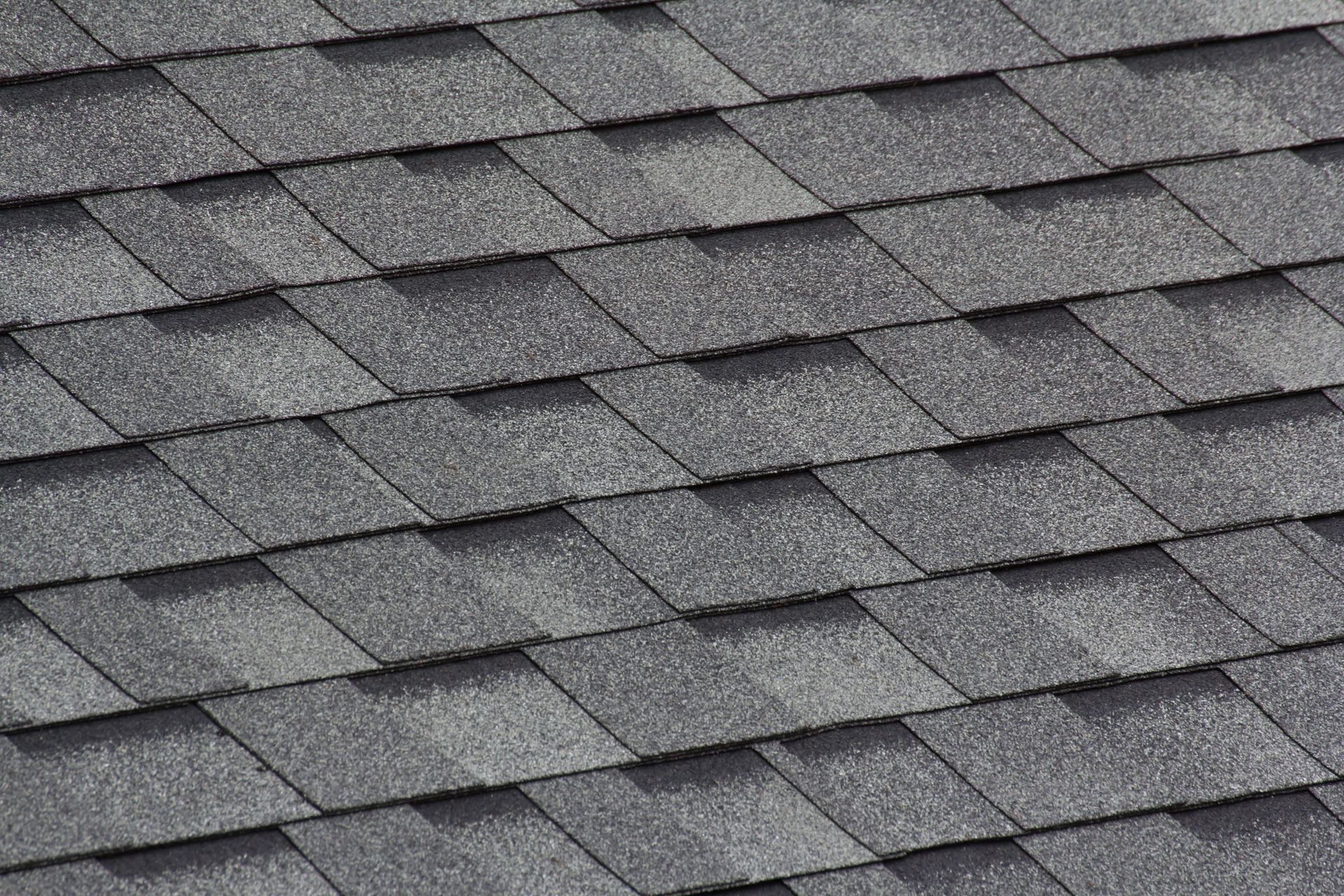
- Acrylic coatings are water-based and easy to apply. They dry to a smooth finish that reflects sunlight, reducing heat buildup inside the building. They work well on metal, tile, and some single-ply membranes.
- Silicone coatings provide excellent water repellency. They are often used on porous surfaces like concrete tiles, where they penetrate and seal from within.
- Elastomeric coatings form a thick, rubbery film that can bridge small cracks and move with the roof as temperatures shift. They are especially useful for flat roofs and areas prone to standing water.
- UV-resistant coatings are formulated to block ultraviolet rays, which helps prevent fading and degradation of the underlying material. Many acrylic and elastomeric coatings include UV stabilizers.
Each type has trade-offs. Acrylic coatings tend to be less expensive and easier to apply, but they may not last as long as silicone or elastomeric options in harsh UV conditions. Silicone coatings offer great durability but can be more difficult to apply evenly. Elastomeric coatings provide exceptional flexibility but often require multiple coats and longer drying times. Your choice should depend on your roof's material, your local climate, and how much maintenance you are willing to do.
Application: What to Expect
Applying a protective layer is not a simple brush-on job. Proper preparation is critical. The roof surface must be clean, dry, and free of loose debris, moss, or algae. Any existing damage, such as cracked shingles, loose flashing, or rust spots, should be repaired before the coating goes on. Roof repair before coating is essential because the coating will not fix underlying problems; it only seals what is already there. Skipping this step can trap moisture underneath, leading to bigger issues later.
The application itself usually involves a roller, brush, or sprayer, depending on the product. Most coatings require at least two coats, with drying time in between. Temperature and humidity matter. Applying in direct sunlight or during high winds can cause the coating to dry too fast or blow away. Ideally, the job is done on a calm, overcast day when the temperature is moderate. Checking the weather forecast and planning accordingly makes a big difference in the final result.
Once applied, the coating creates a continuous membrane that bonds to the roof surface. This membrane helps prevent water intrusion and reflects solar radiation, which can lower cooling costs during the hot months. The lifespan of a roof coating varies by product and exposure. In Northern Florida's climate, a quality coating can last anywhere from five to ten years before it needs reapplication. Regular inspections after storms help catch any areas where the coating may have been damaged by debris or wind.

Working With Local Building Codes
Florida has specific building codes that govern roofing materials and their installation. These codes are in place to ensure roofs can withstand high winds and heavy rain. When considering a protective coating, it is wise to check that the product you choose meets local requirements. Some coatings are tested and rated for wind uplift resistance, fire resistance, and impact resistance. Using a product that complies with Florida building code can give you peace of mind that your roof will perform as expected during a storm.
Some coatings also need to be applied by a licensed contractor, especially for commercial buildings. Even for residential homes, hiring a professional who understands the local codes and has experience with the specific coating type can save time and prevent mistakes. A poorly applied coating can peel, bubble, or fail to bond, leaving your roof vulnerable.
Maintenance After Coating
Once a protective layer is in place, it still needs some care. Debris like leaves and branches should be removed regularly, especially after storms. Standing water on flat roofs should be checked and drained if it persists. Over time, the coating may wear thin in high-traffic areas or where water pools. Spot repairs can extend the overall lifespan without requiring a full re-coat. Walking on the roof should be minimized, and when necessary, only in areas where the coating is thickest or where walk pads are installed.
The choice to apply a roof coating is a practical one. It can delay the need for a full replacement, improve energy efficiency, and protect your home from water damage. But it is not a magic solution. The coating works best on a roof that is already in good condition. If your roof has widespread damage or is nearing the end of its expected life, replacement may be the better option. A professional inspection can help you decide which path makes sense for your situation.
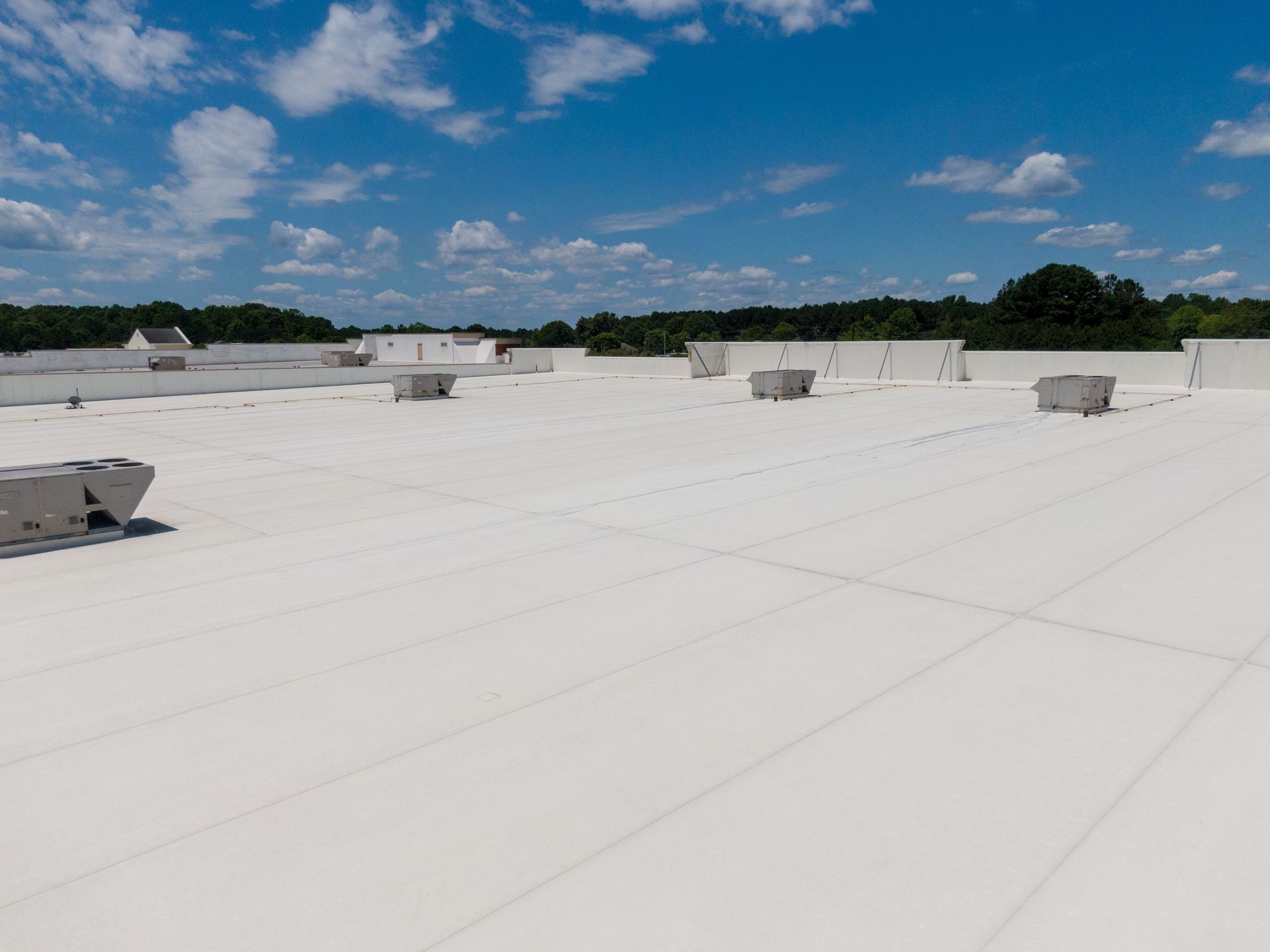
In the end, understanding what a roof coating can and cannot do helps you make a smart decision for your home. It is one tool in a larger strategy of roof maintenance that includes regular inspections, prompt repairs, and choosing materials suited to the local climate. Northern Florida's weather demands a proactive approach, and a well-chosen coating can be a valuable part of that plan.